
Bookkeeping for a construction company is essential for managing complex projects, ensuring profitability, and maintaining compliance with tax regulations. Proper bookkeeping not only provides clarity on financial health but also serves as a foundation for strategic planning and operational success. In the construction industry, keeping accurate financial records is more than just a necessity, it’s the backbone of your business. Construction bookkeeping helps ensure that all costs, from labor to materials, are accounted for, making it possible to track profitability, manage cash flow, and make informed decisions. Without proper bookkeeping, construction companies risk project overruns, missed payments, and financial instability. Accurate bookkeeping allows you to see where your money is going, identify potential financial issues early, and plan for the future with confidence.
How Do Contractors Implement Job Costing?
- This includes verifying that all change orders have been processed and approved.
- Well-organized bookkeeping inspires confidence in potential investors and lenders, paving the way for business growth and access to necessary funds for expansion.
- Accurate and comprehensive financial reporting is vital for understanding your construction business’s financial health and making informed decisions.
- Understanding the financial nuances of construction projects requires a deep dive into forecasting, planning and financial evaluation to determine a project’s success and profitability.
- A cost is capitalized when it adds future economic value to the asset or extends its useful life beyond the current period.
- This means wages and working conditions are often determined through collective bargaining agreements, which require companies to report wages and other details to each union for verification.
Construction cost accounting is a specialized field that forms the foundation of effective project financial management. It goes beyond basic bookkeeping to provide comprehensive tracking and analysis of all financial data related to construction projects. Through detailed record-keeping of expenses, revenues, and profits bookkeeping construction for each job, cost accounting enables construction firms to build a competitive advantage and ensure long-term stability. The first important method is accrual accounting, which provides accurate financial representation.
b. Managing Multiple Ongoing Projects
General contractors need to subtract subcontractor payments from revenues to calculate working capital Accounting Security turnover, as this money simply passes through the GC from the owner. Learn more about the differences between cash and accrual methods of construction accounting. Even with this advantage, the cash method is typically only viable for very small construction businesses.
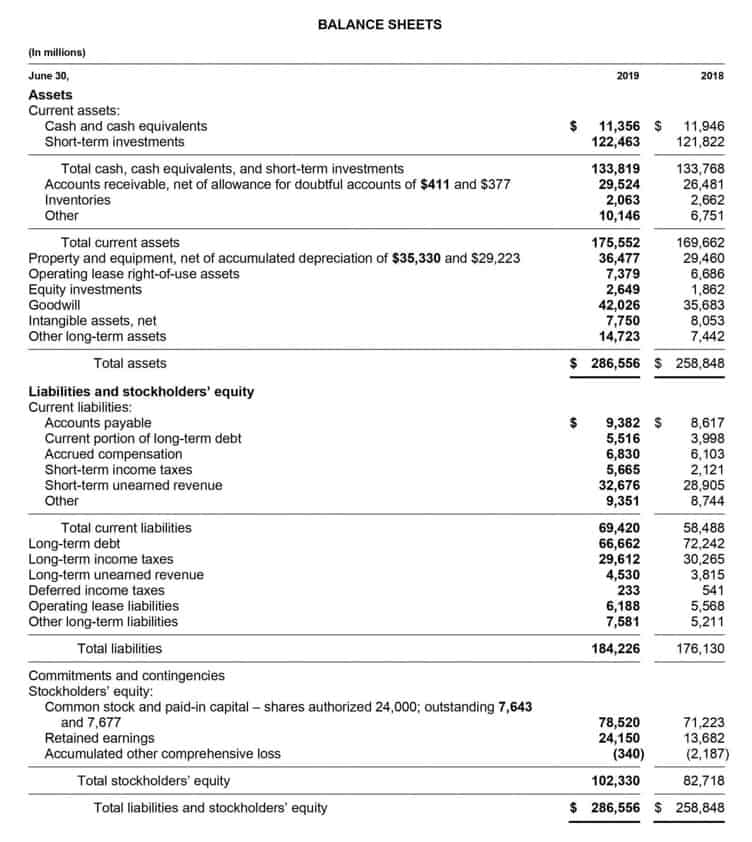
Other Relevant Financial Statements

Break cost of goods sold into labor, materials, equipment rental, permits, and subcontractors. Within each, add cost codes for framing, concrete, mechanical, electrical, and finish work. Contractors across the country trust Book Keeping to keep the numbers tight while they keep crews moving. Our specialists know union payroll, certified reports, and the headaches of retainage. We build job cost systems, reconcile accounts weekly, and deliver dashboards that show profit in real time. Revenue recognition methods like the percentage-of-completion method or completed-contract method align with the IRS guidelines.
Track costs for each retained earnings project separately to analyze profitability and address overspending promptly. Accurate bookkeeping in construction is critical not only for day-to-day operations but also for profitability, compliance, and long-term growth. For a complete bookkeeping solution for your construction business, contact us today for a free quote.
Further reading: What Is A General Ledger in Accounting?
- These types of contracts require thorough, complete, and accurate bookkeeping records.
- Creating accurate budgets requires a methodical approach that begins with breaking down each project into specific tasks and activities.
- Schedule a free demo today and discover how Beam can help you streamline your bookkeeping processes, improve project profitability, and drive business growth—no accounting degree required.
- It involves tracking hours worked, calculating wages, managing benefits, and ensuring proper tax withholding and reporting.
Construction companies must prepare industry-specific financial data and maintain precise project management. Accurate job cost accounting also allows you to analyze cash flow to ensure your project has enough funds to keep production moving forward. It lets you see all overhead expenses so you can accurately calculate profit.
What is Construction Accounting?
So, the bookkeeping system must be flexible yet organized enough to track cash flow when needed. Handling your own accounting and bookkeeping is doable but it’s time-consuming and requires a deep understanding of bookkeeping rules in the construction industry. We advise on better financial recordkeeping, suggest ways to improve payroll management, and even help you identify opportunities for growth. The Percentage of Completion Method (PCM) that are used to recognize revenues, expenses, and taxes over the life of the construction contract based on its completion percentage.

Construction Accounting: The Complete Guide for Contractors
This method works well for smaller construction companies with shorter projects and straightforward payment structures. It’s straightforward and shows exactly how much money you have available at a given time. Job costing in construction is the process of tracking and assigning all expenses to specific projects. This includes direct costs like materials and labor, and indirect costs like equipment and overhead. Material prices swing with global steel markets, and revenue lands only after an architect signs off. This mix of long timelines and lumpy cash flow demands project based accounting that links every cost to a job, phase, and cost code.
- This method improves the accuracy of financial statements by matching income and expenses with the periods in which they are earned or incurred.
- It walks through five practical steps to set up QuickBooks Online Advanced specifically for the construction industry—covering job costing, WIP reporting, class tracking, and project management.
- As regulations evolve, it’s important to update your financial records accordingly, reflecting any changes that might impact your business.
- The inherent complexity is driven by the sheer scale and extended timeline of commercial and residential developments.
- Construction accounting is considered a special combination of bookkeeping and financial management.
- The most effective construction companies are proactive rather than reactive.
Choosing the Right Accounting Software
The integrity of the job cost system relies heavily on accurate initial data entry, ensuring costs are properly assigned the moment they are incurred. Job costing is the internal operational system used by construction firms to track and allocate every expenditure to a specific project. This systematic approach provides critical data for project management and financial control. The fundamental goal is to determine the total, actual cost incurred for each separate contract. The inherent complexity is driven by the sheer scale and extended timeline of commercial and residential developments.
- Effective financial management requires a clear separation of duties among staff.
- Remember that most construction contracts include retainage–a portion of the payment that is usually withheld till the entire project is complete.
- Things like suppliers, labor, and leased equipment are considered direct expenses.
- While proper documentation supports all aspects of construction bookkeeping, it becomes particularly crucial when addressing tax considerations.
- This guide delves into the intricacies of bookkeeping for construction companies, offering practical tips and best practices to build a solid financial foundation for your business.
- Proper bookkeeping not only provides clarity on financial health but also serves as a foundation for strategic planning and operational success.
- An accounting method where revenue is recognized as a percentage of work completed over the life of a contract.
Discover the pros, cons, and which is the best accounting method for your business. These reports help identify potential cost overruns, underbilling issues, and overall project profitability. To be eligible, contractors can’t exceed a certain average annual revenue, and their contracts must be able to be completed within a set timeframe.